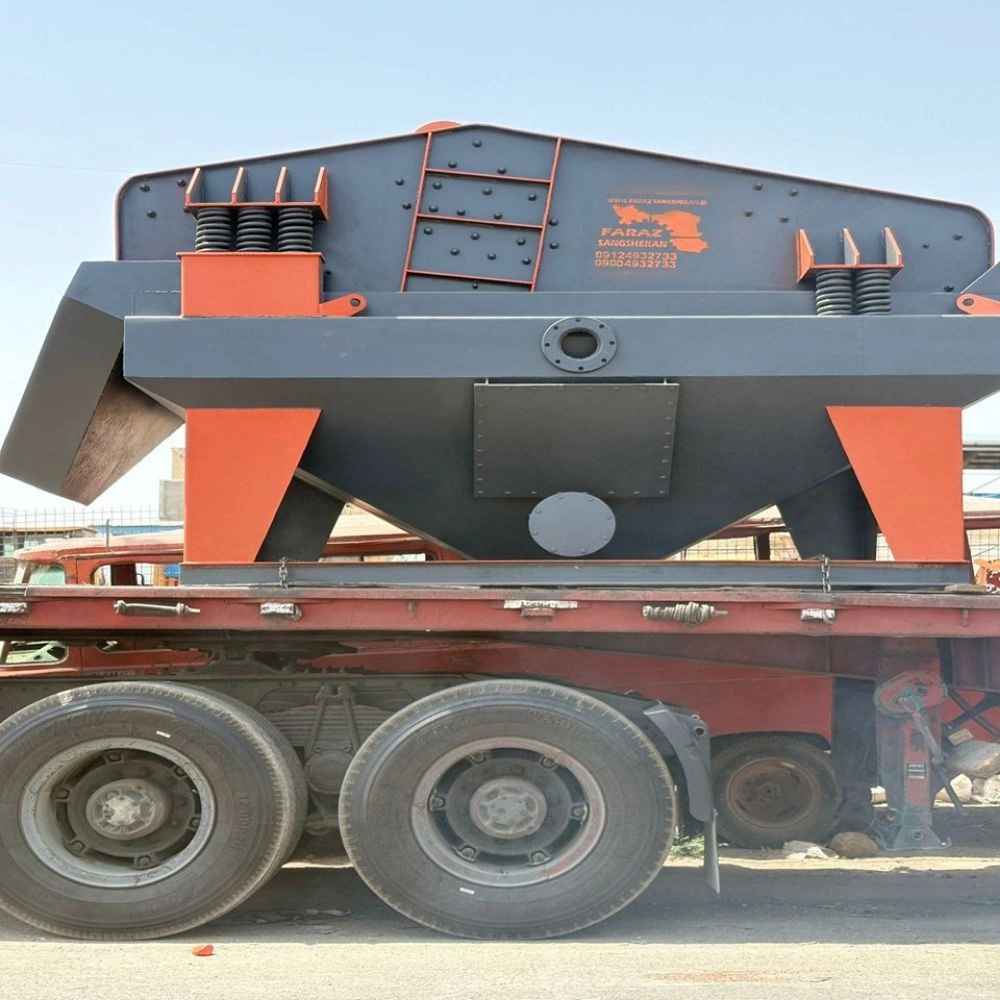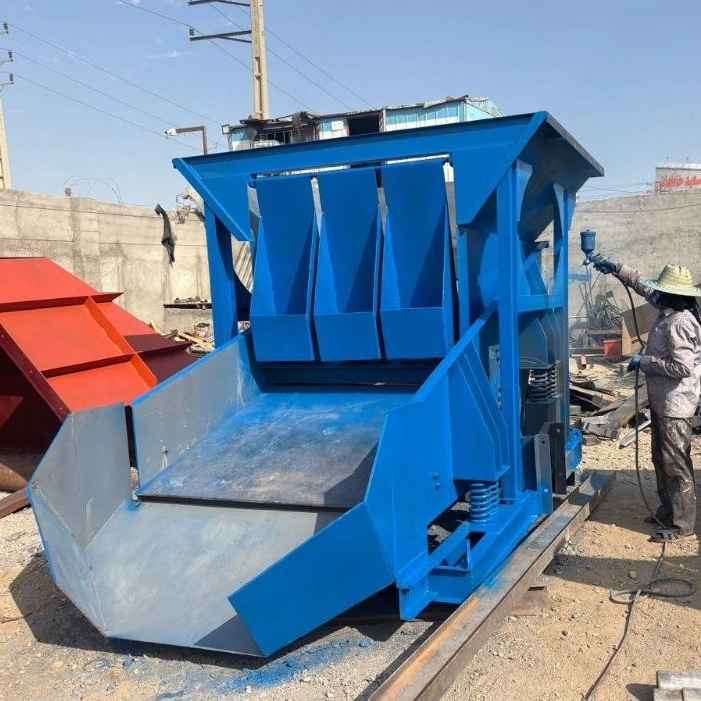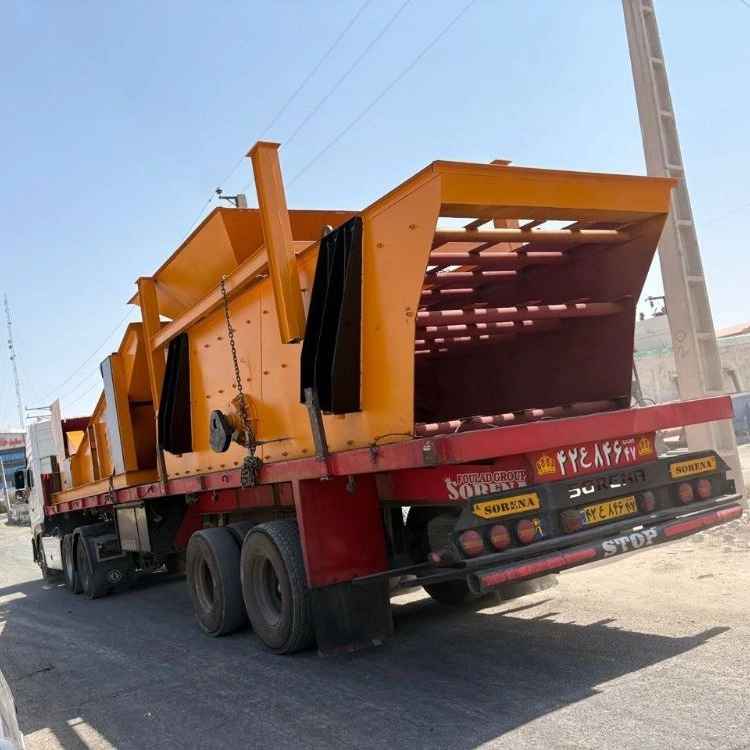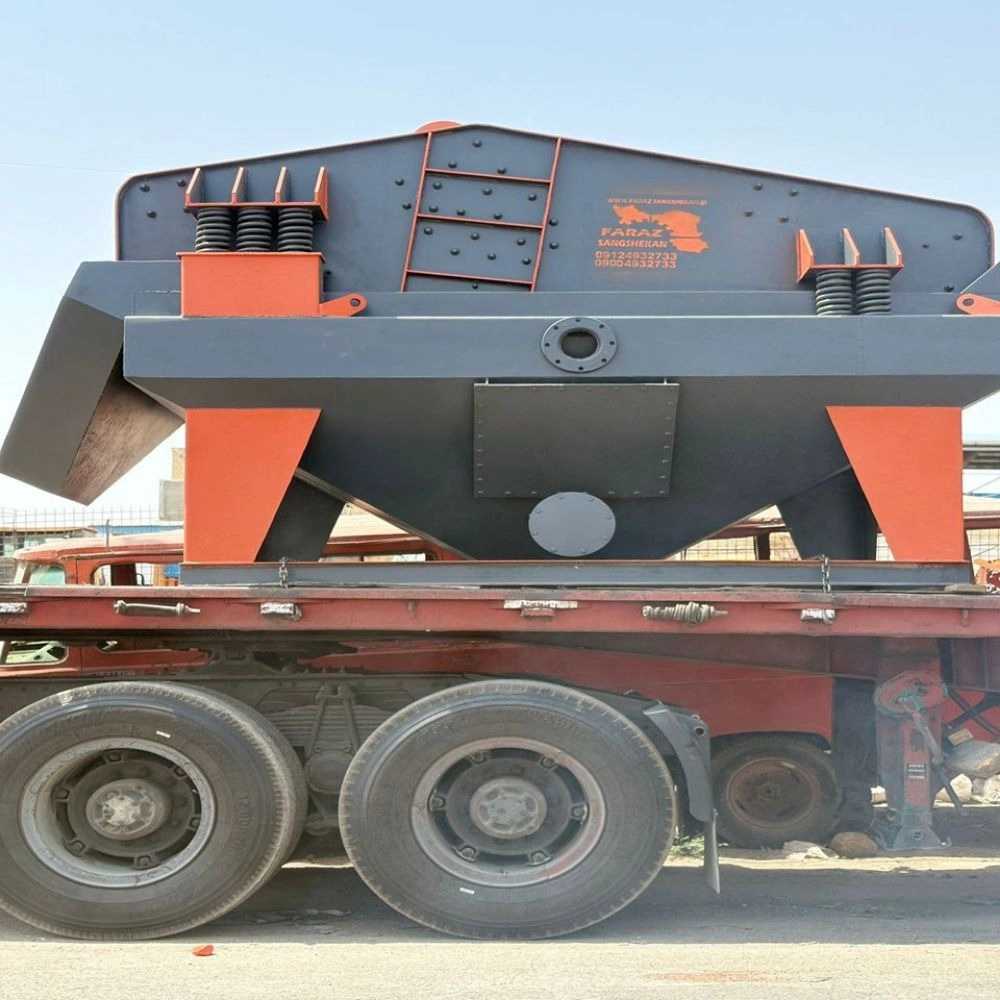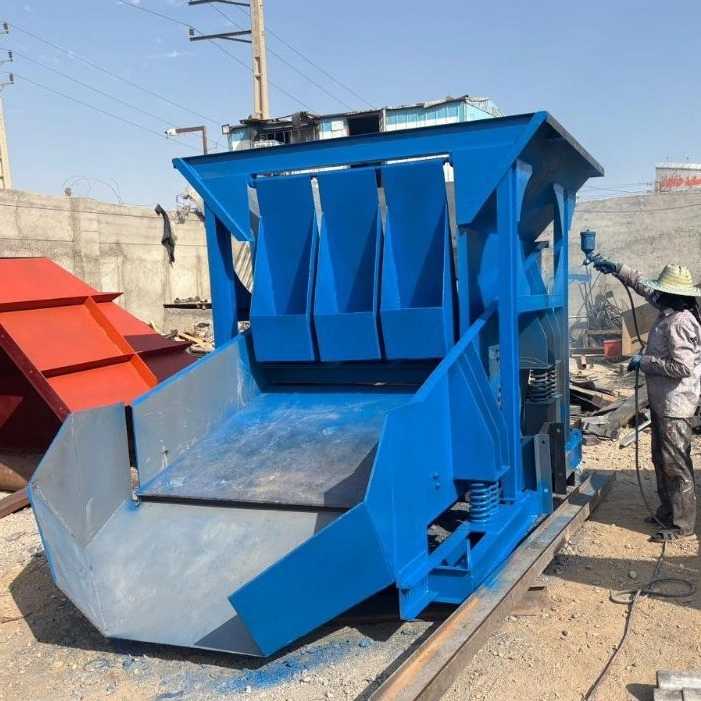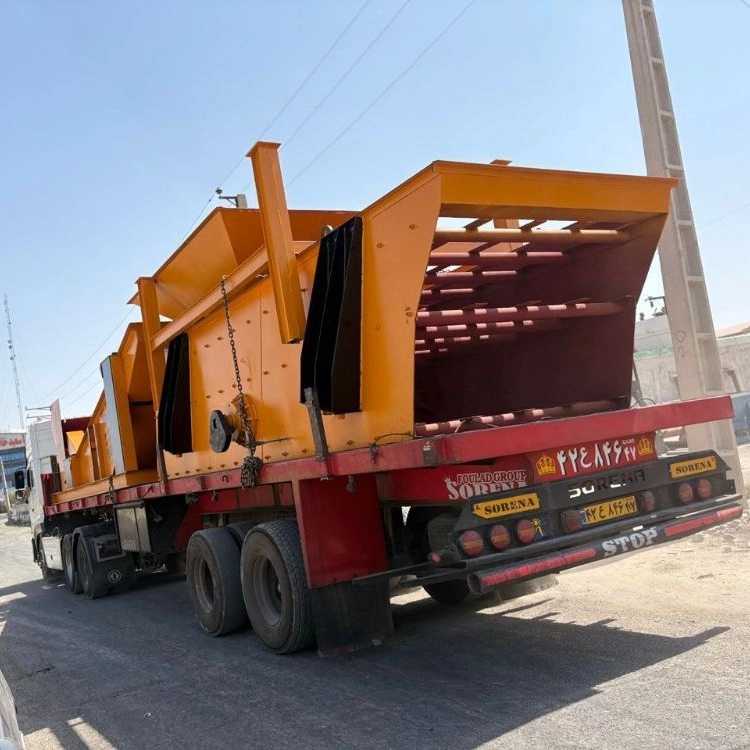
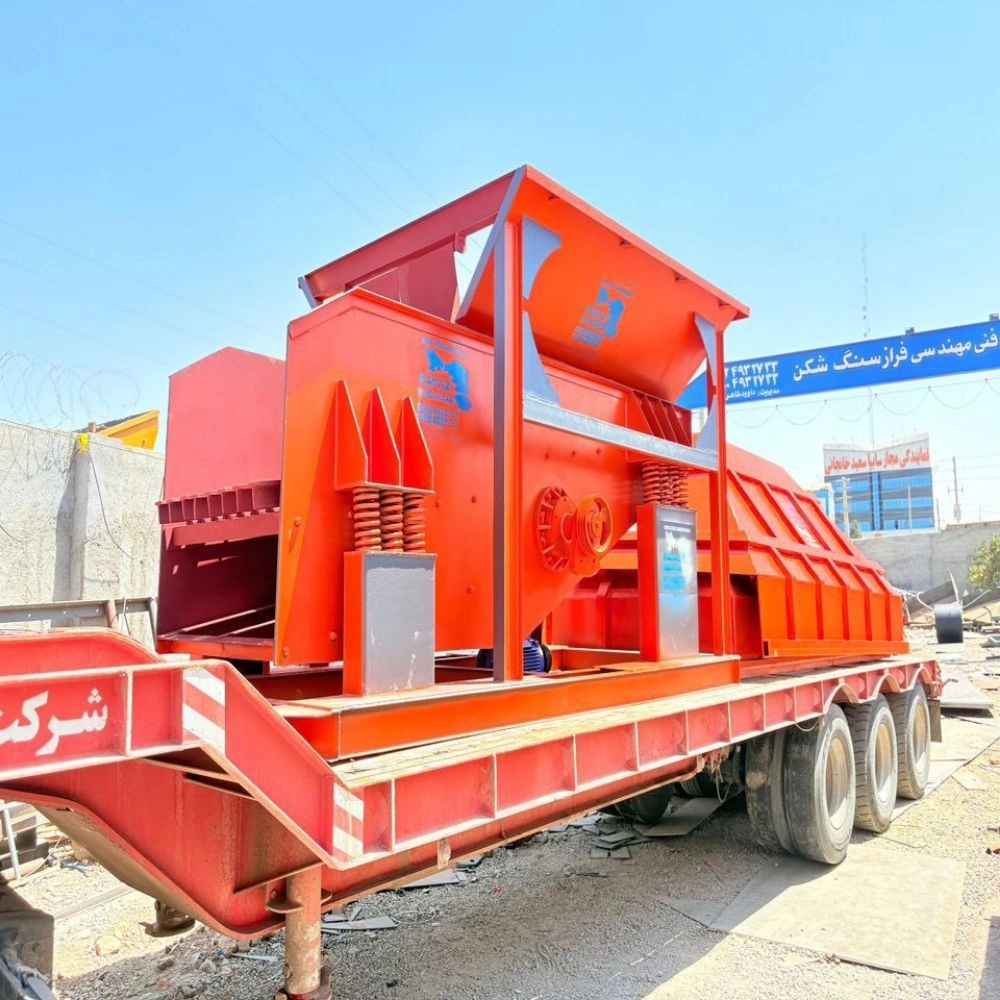
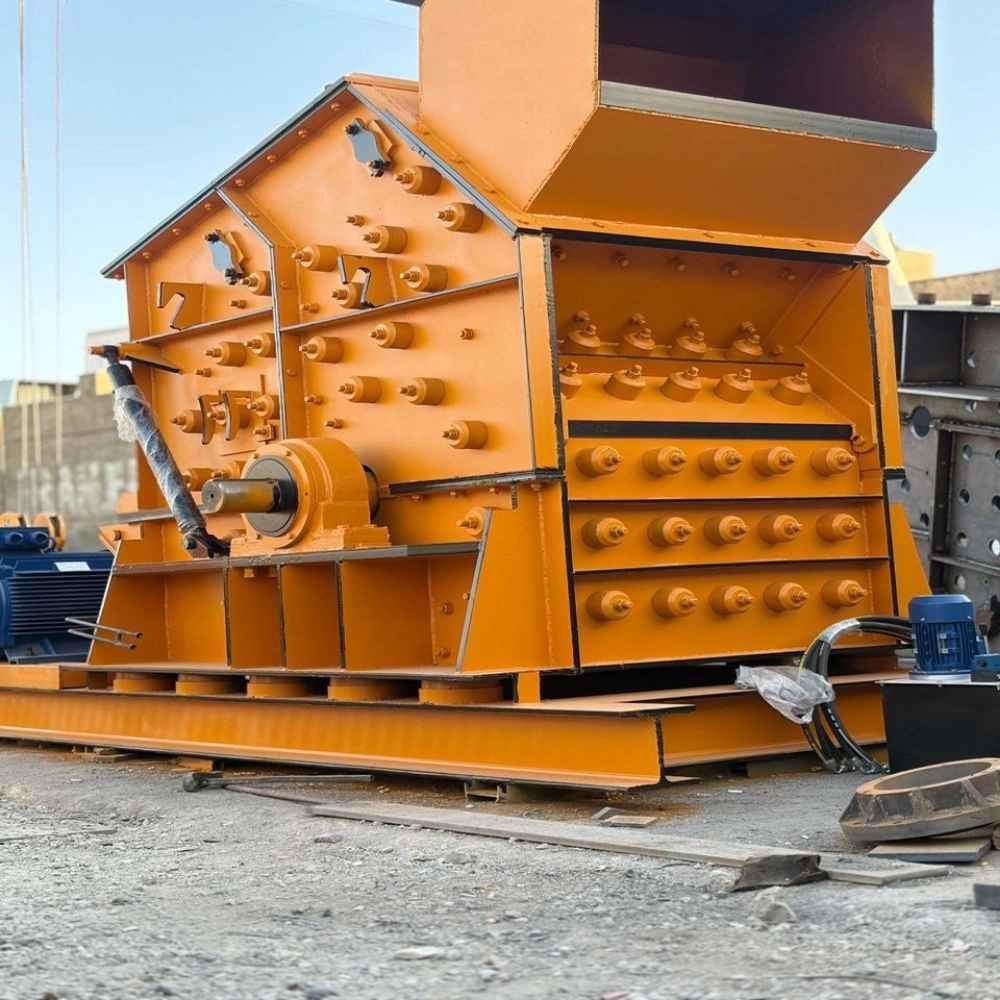
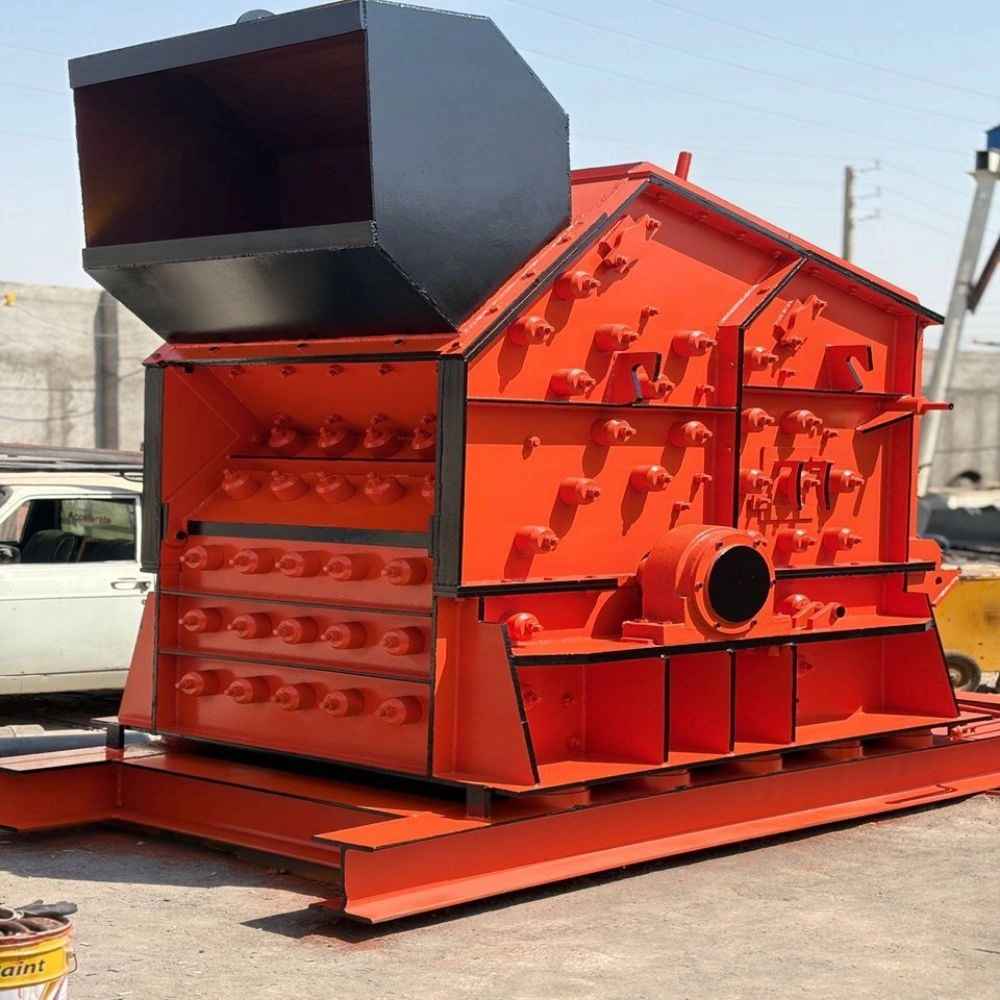
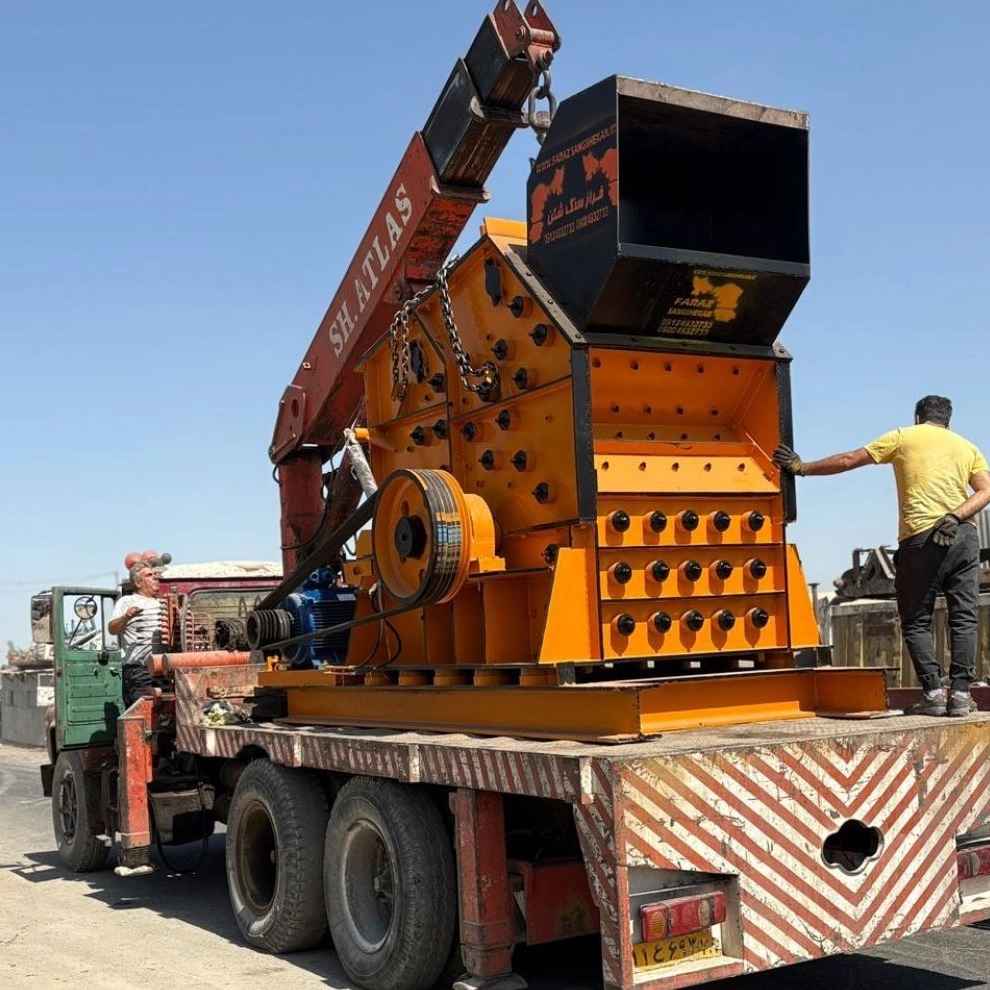
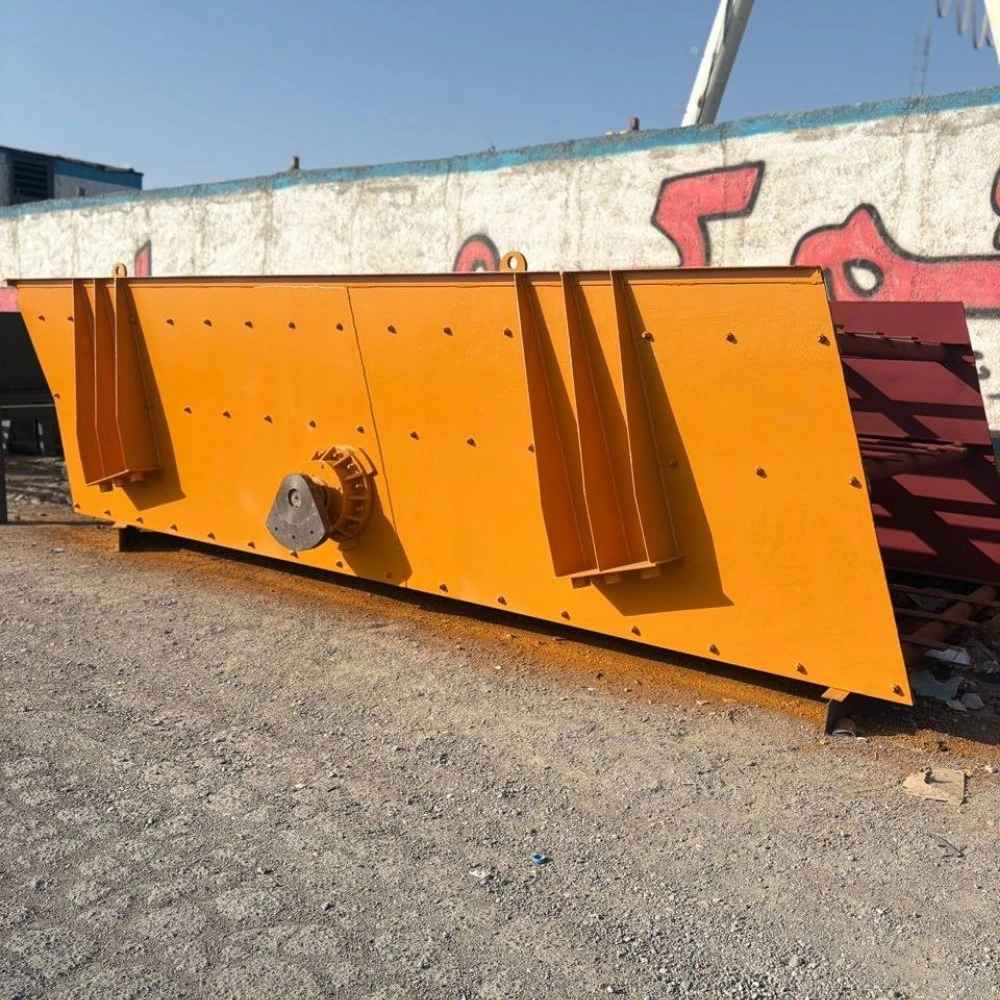
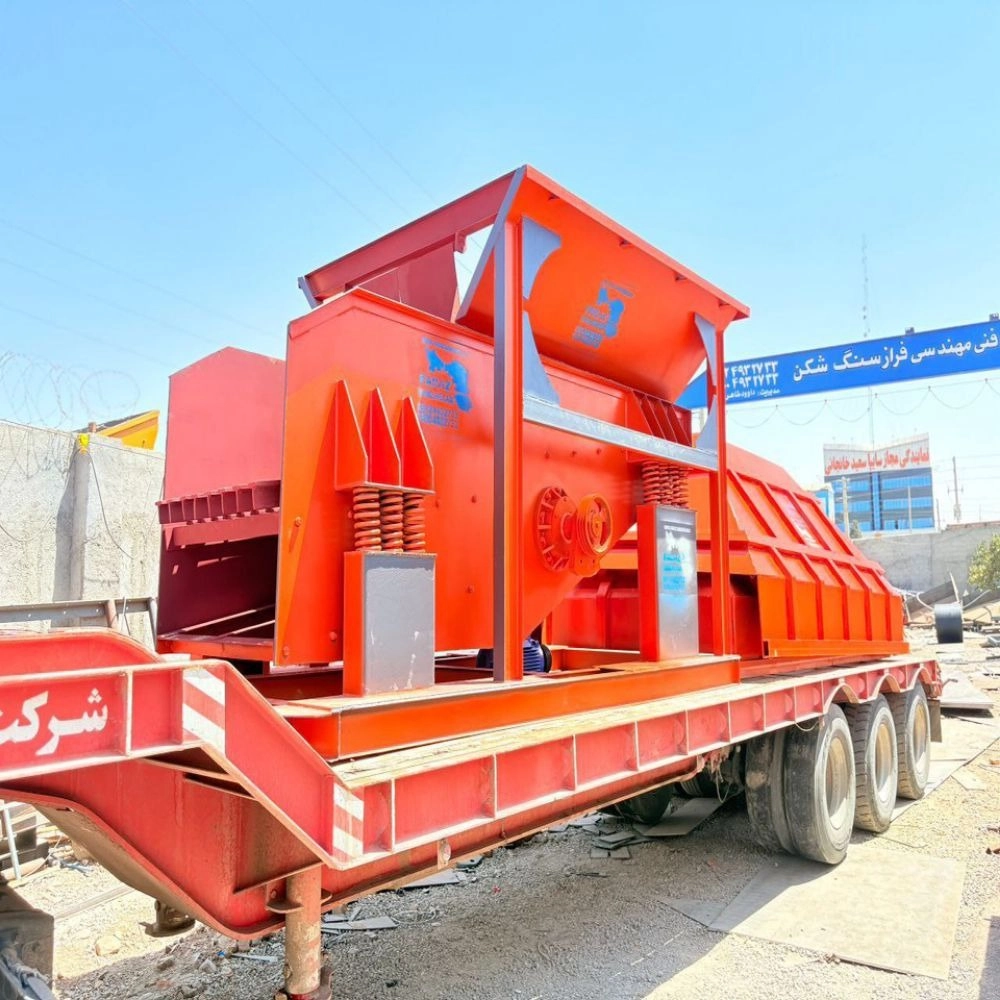
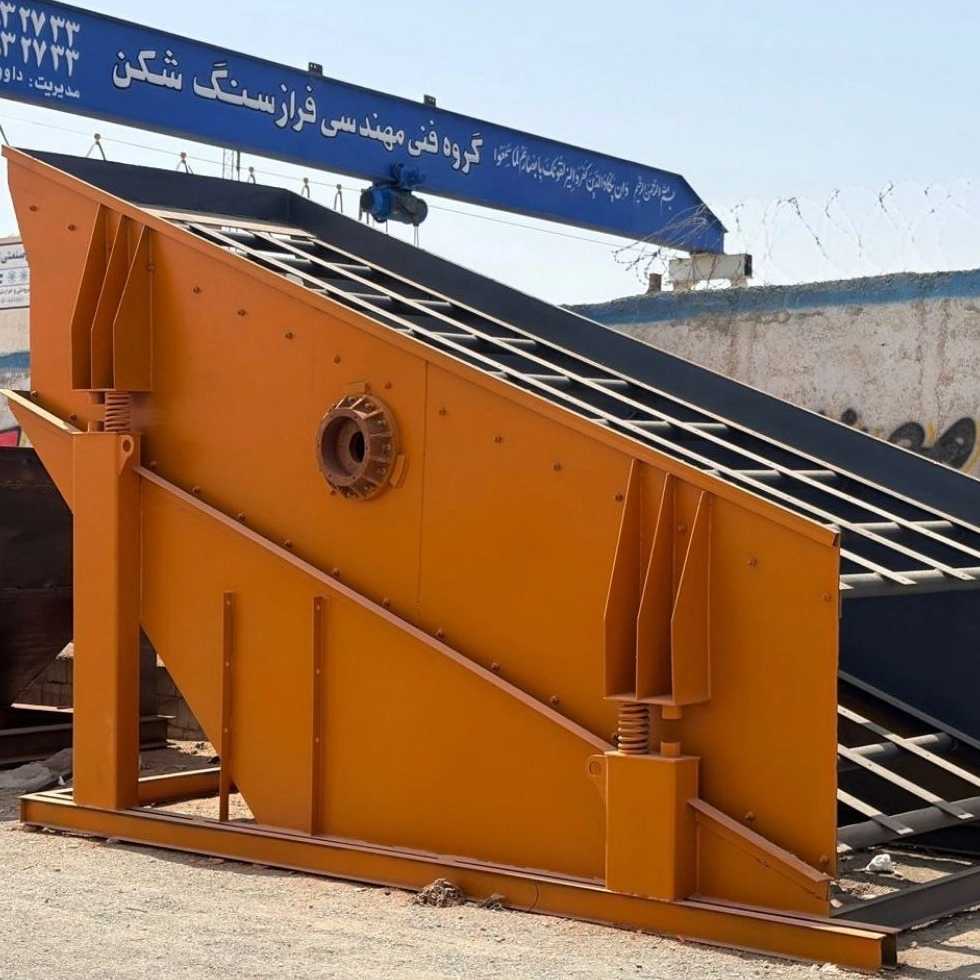
Crusher machines in the collection of crusher are recognized as one of the most vital equipment in the mineral and development industries.
This collection is ready to provide services to you dear compatriots with more than 5 decades.
to management: Mr. Taheri
The task of these devices is to crush and shrink the size of stones and minerals for use in various industrial processes. In this article, a variety of crusher machines, applications, benefits and important points in selecting these equipment are examined.
Importance of crusher machines in various industries
Crusher machines play a key role in industries such as mine, road construction, construction and industrial raw materials. Stones and minerals need to be crushed before use to convert to the desired size for transportation or use in future processes. Crusher performs this process quickly and with high accuracy.
Types of Crusher and how they operate
1. Jaw Crusher (Jaw Crusher)
Jaw Crusher is one of the simplest and yet strongest crusher machines. This device has two moving and moving jaws that are crushed with a commuting motion.
Features:
Suitable for crushing hard and semi -stones
simple and low -cost structure
High production capacity
Applications:
Early crushing of rocks
Production of building materials
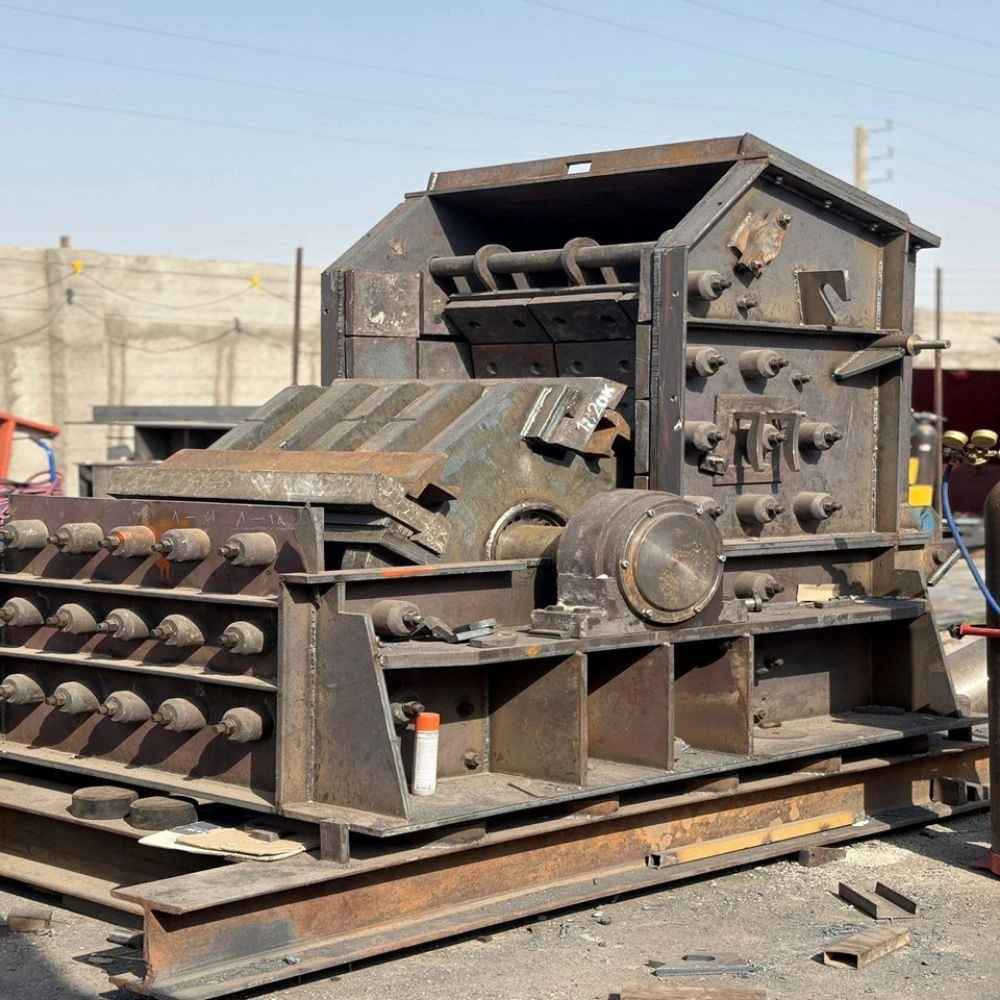
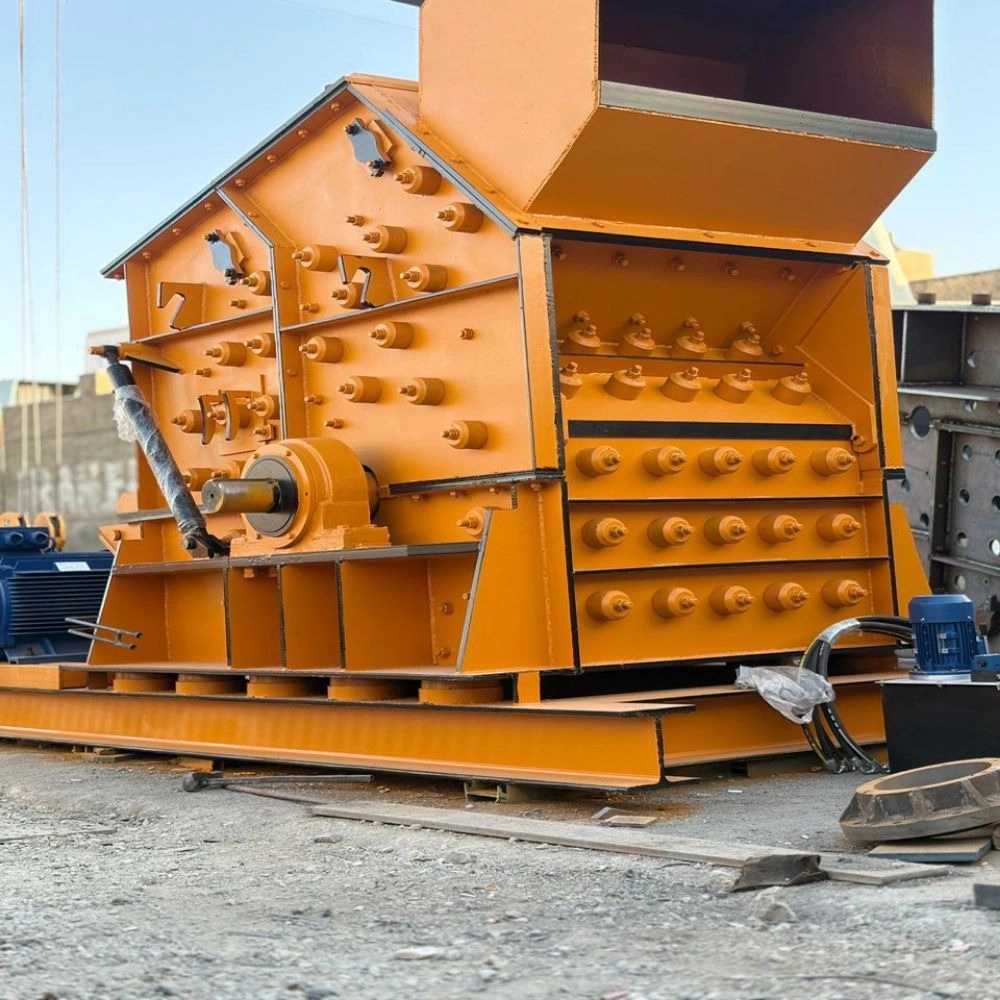
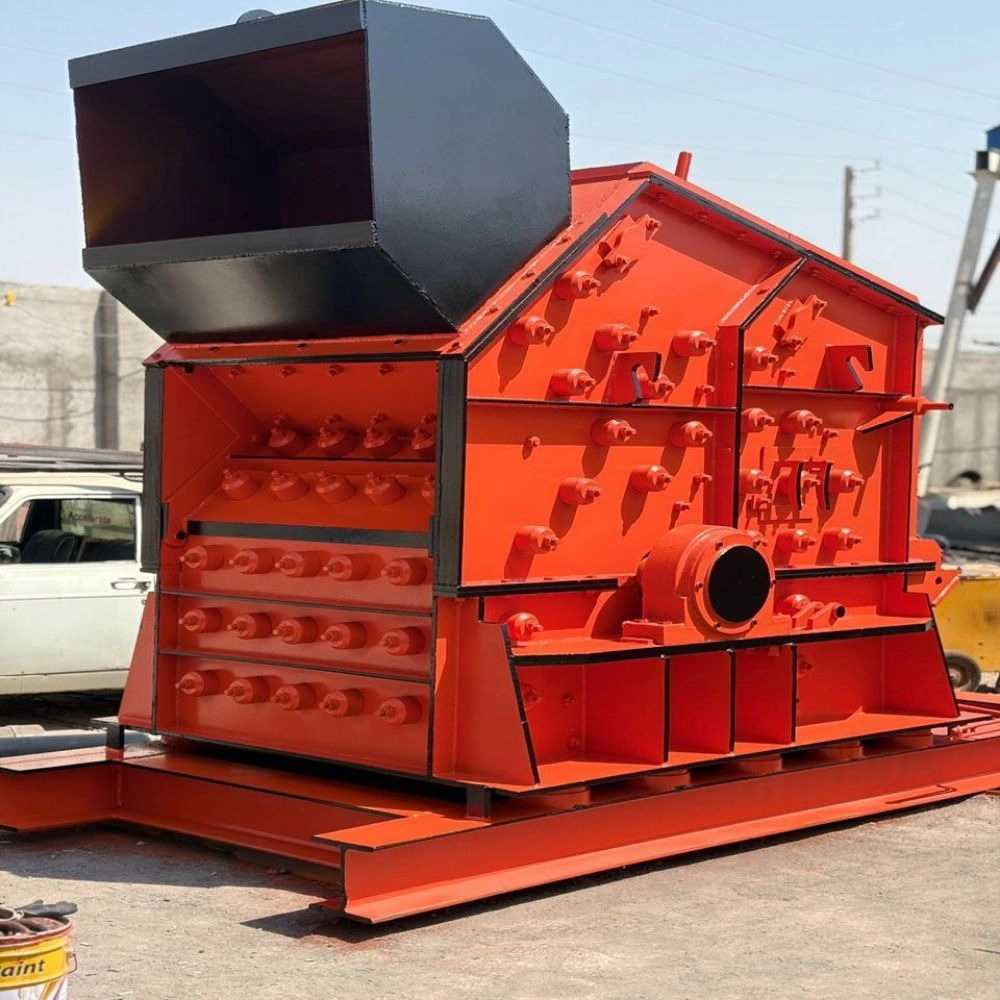
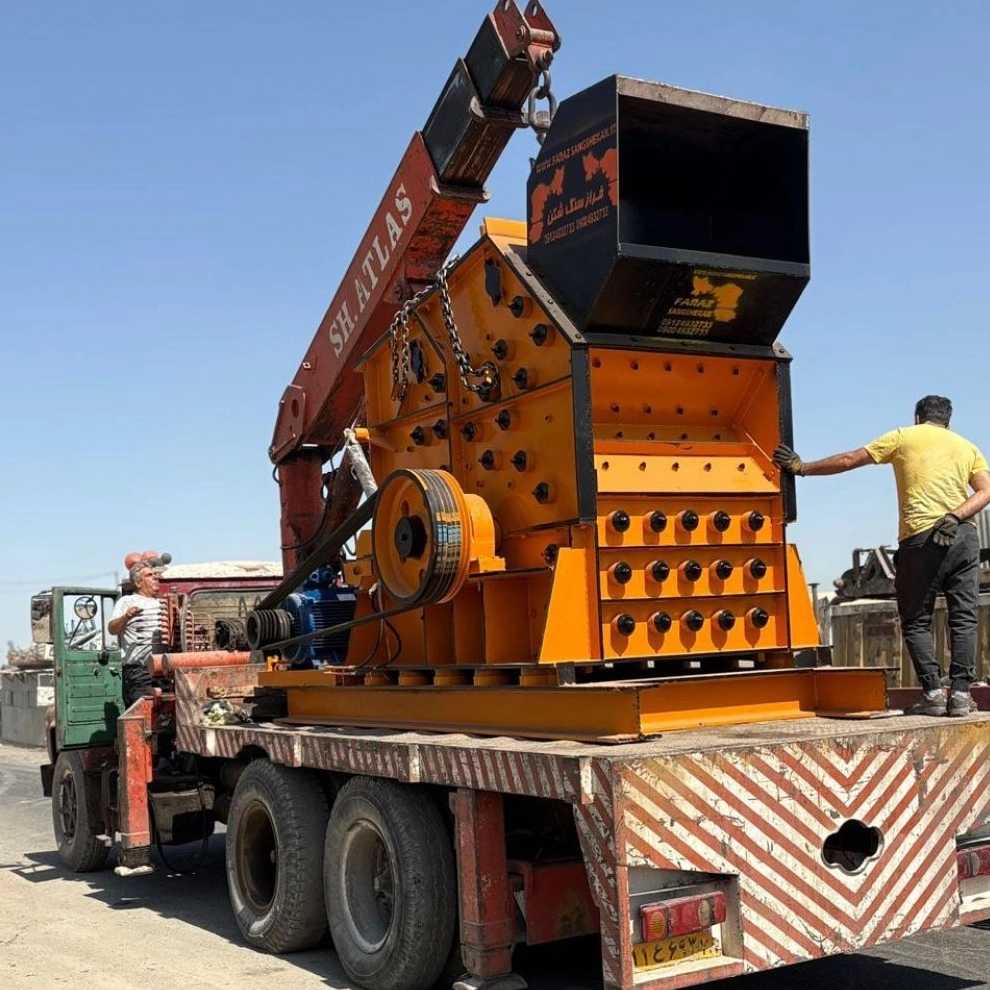
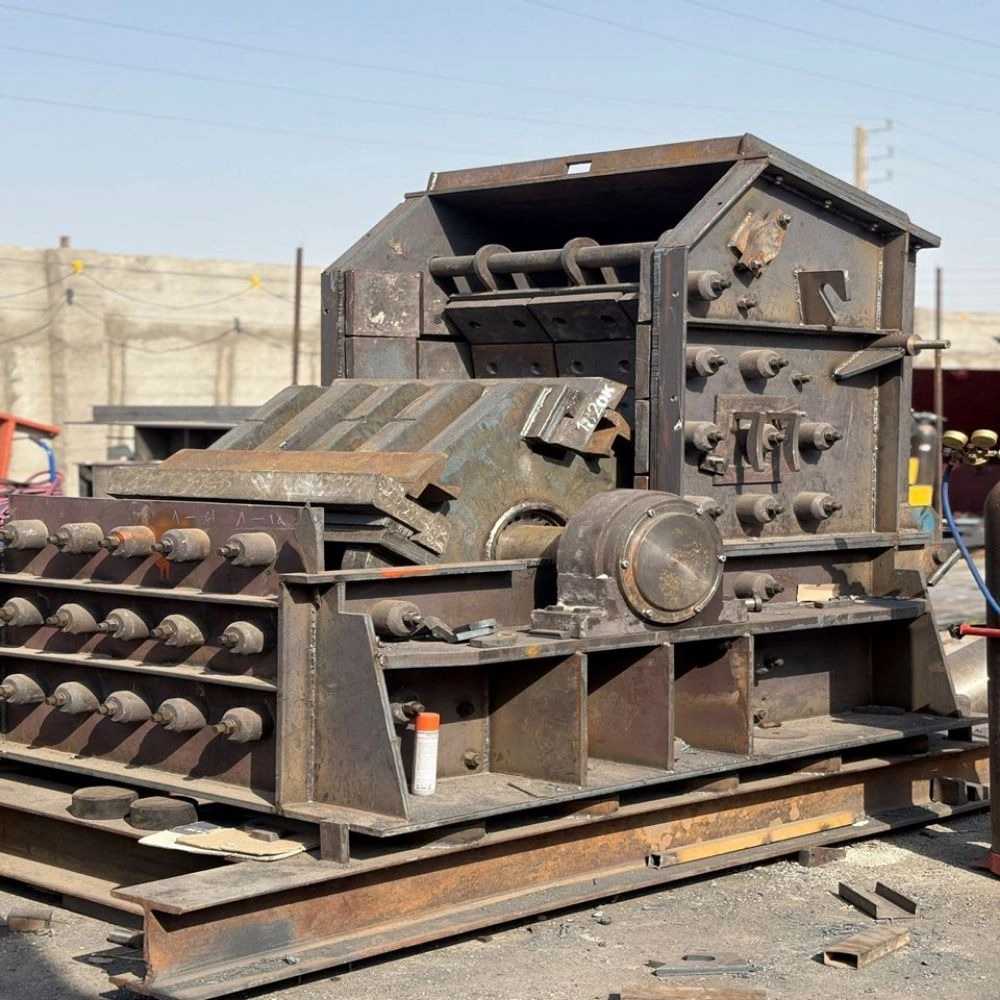
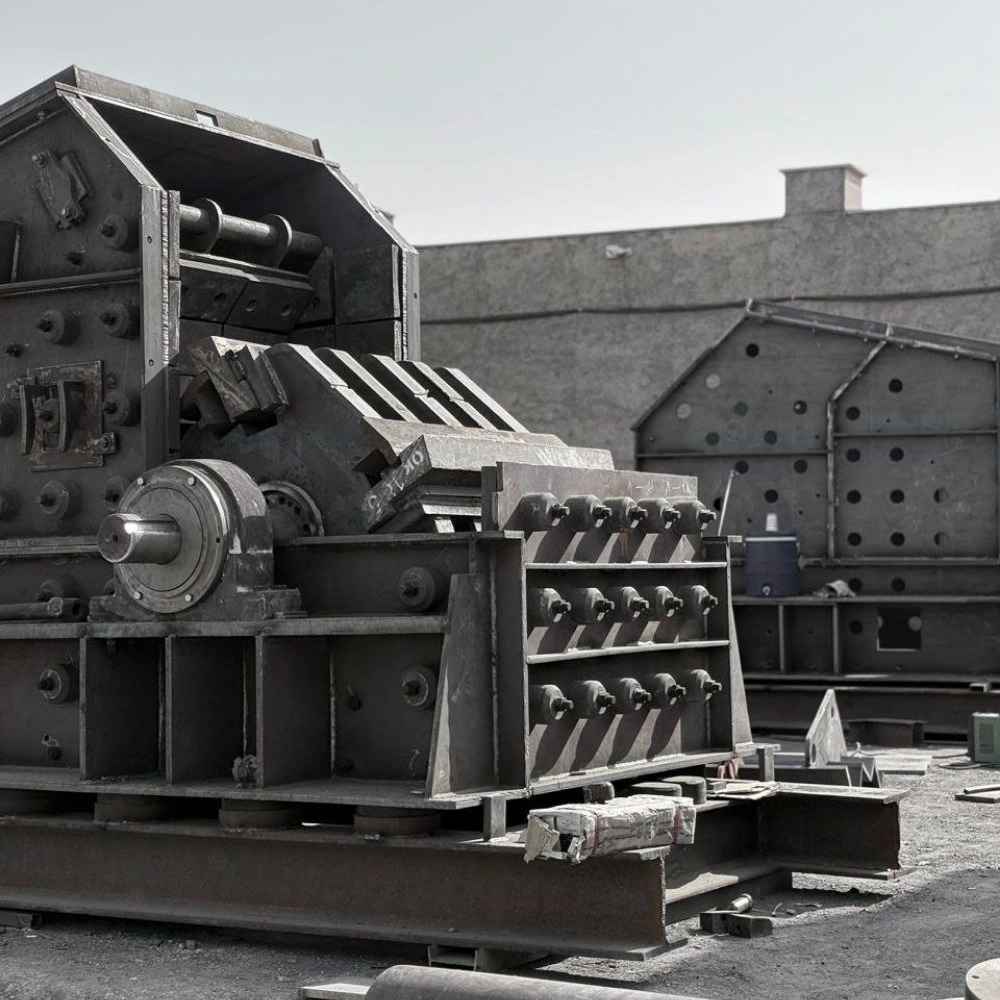
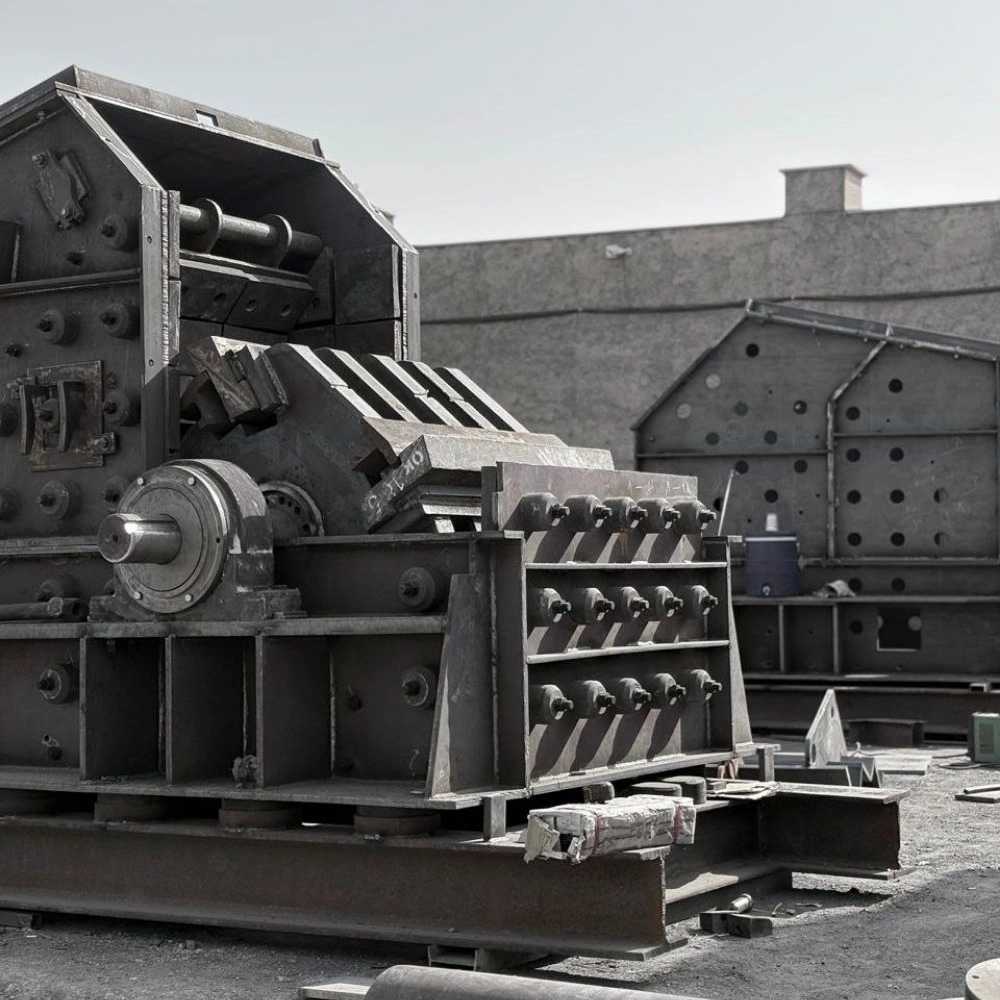
2. Impact crusher
In this device, impact energy is used for crushing materials. The material is crushed by colliding with the hammer and then the impact plates.
Features:
Suitable for crushing soft to medium material
Production with uniform granulation
suitable for fragile and non -abrasive material
Applications:
Sand production
use in construction industry
3. Conical Crusher (CON CRUSHER)
This type of crusher is designed for secondary and third -party crushing and capable of crushing hard and medium materials.
Features:
high durability and low need to repair
suitable for the production of materials with fine grain
High performance in minerals
Applications:
Hard stones such as granite and basalt
Sand production
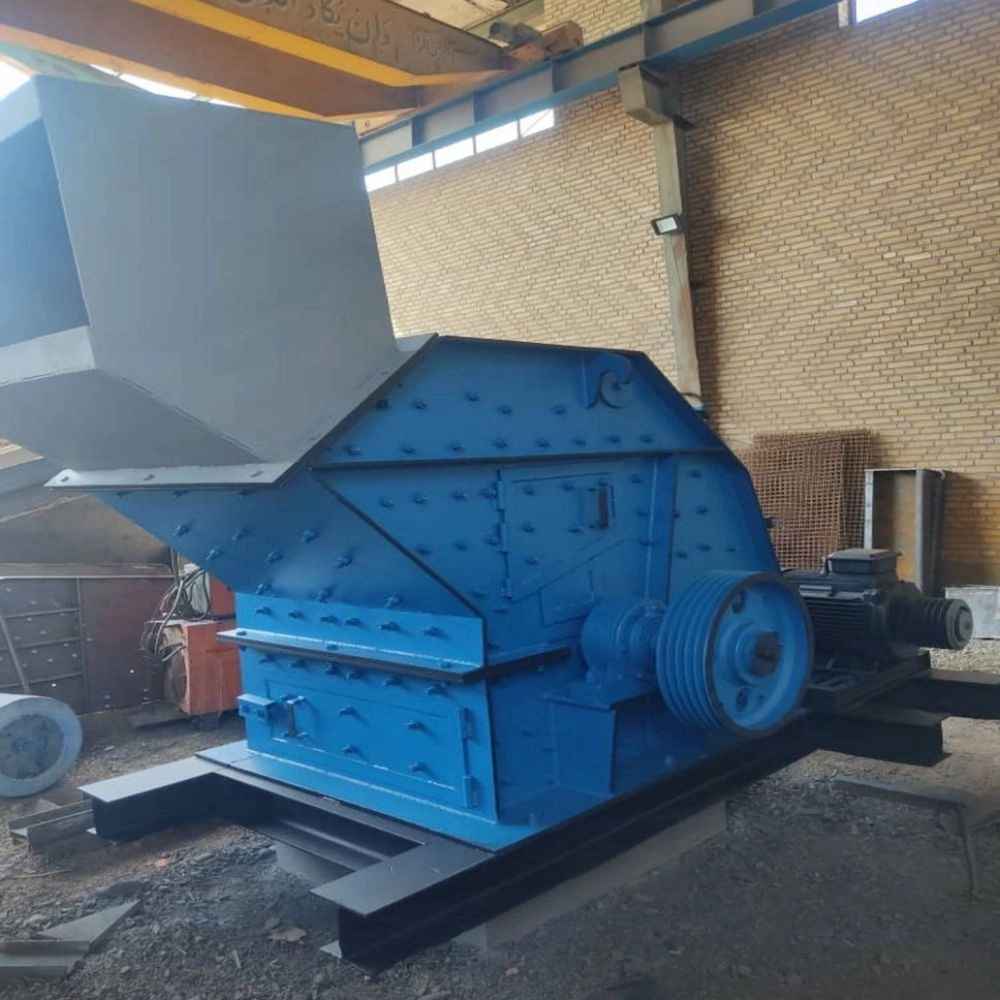
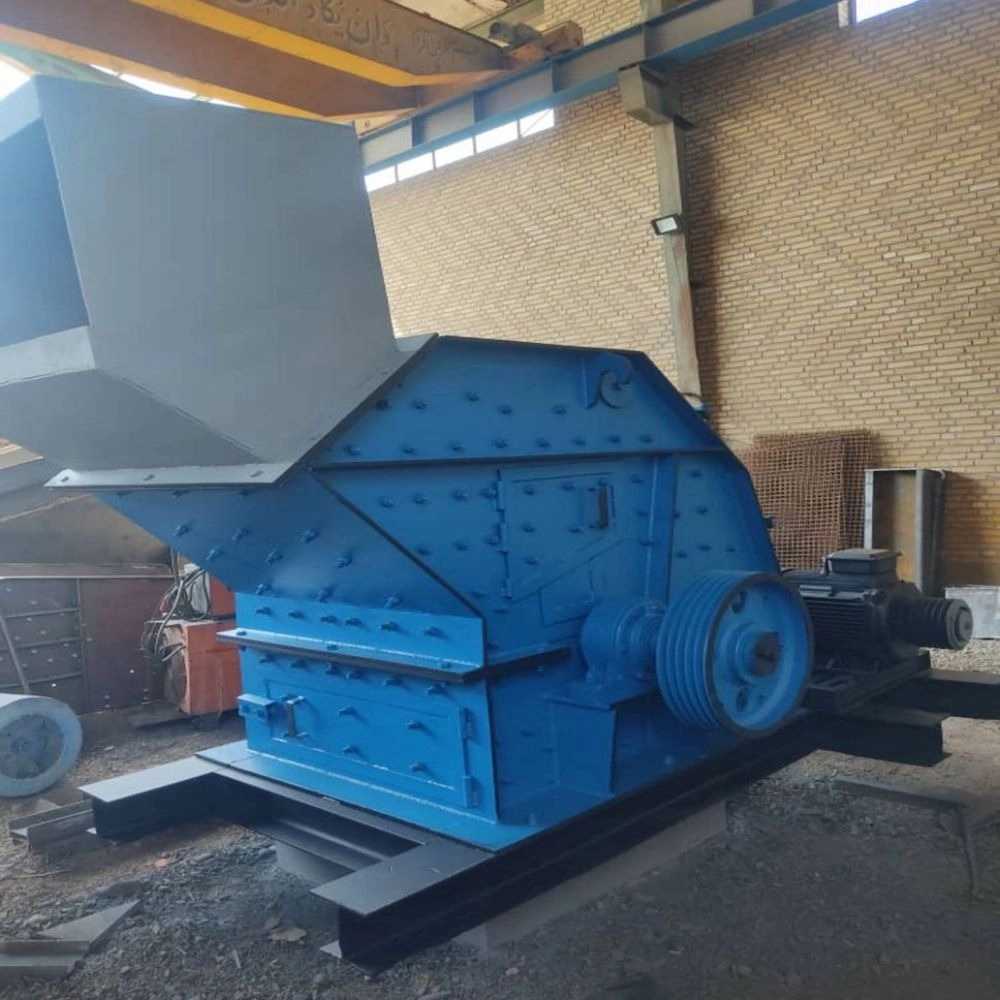
4. Hammer Crusher (Hammer Crusher)
hammer crusher is one of the most used machines for crushing soft and semi -fabricated materials.
Features:
simple and low -cost design
High performance in crushing soft material
Suitable for the production of materials of small sizes
Applications:
Production of raw materials in the cement industry
Crushes of lightweight minerals
5. Roll Crusher (Roll Crusher)
This device crushes the material using two rollers.
Features:
Suitable for crushing soft and medium material
less energy consumption than other devices
Simplicity in design
Applications:
Crushing of fragile material
use in chemical and agricultural industries
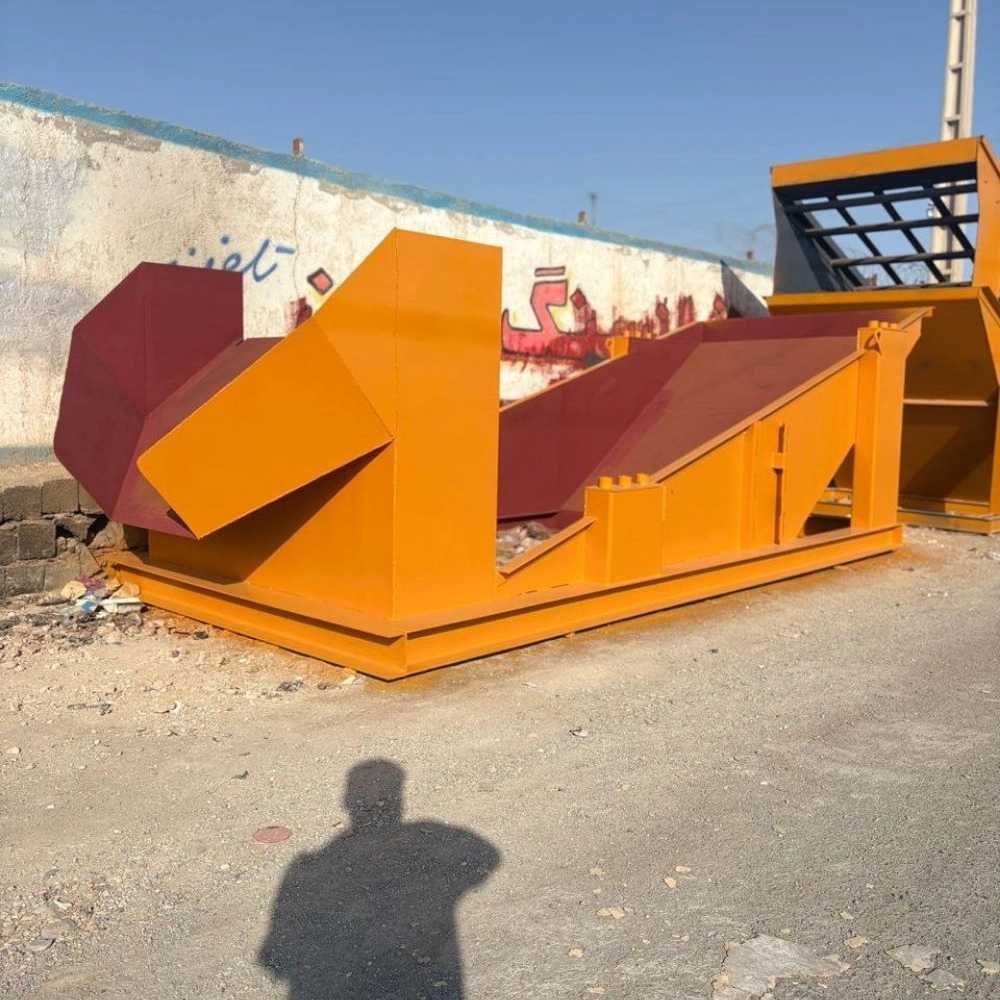
The main components of crusher machines
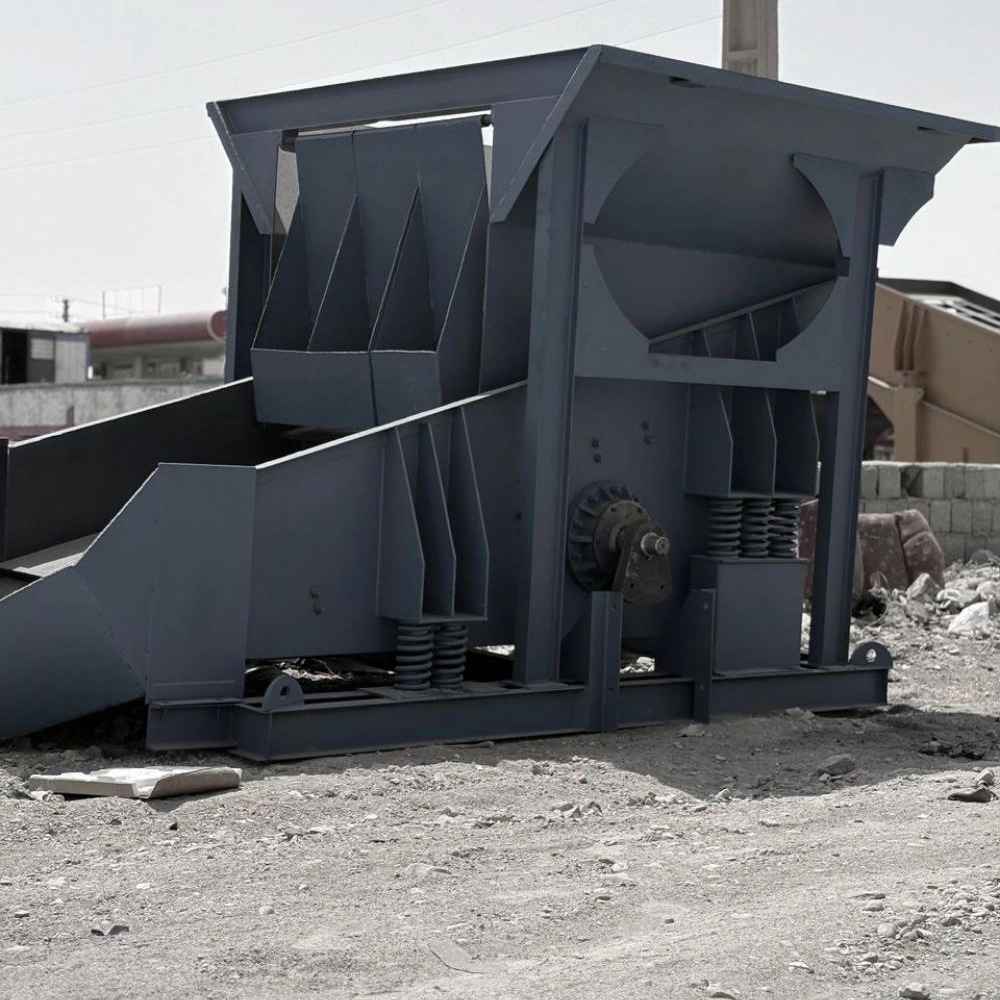
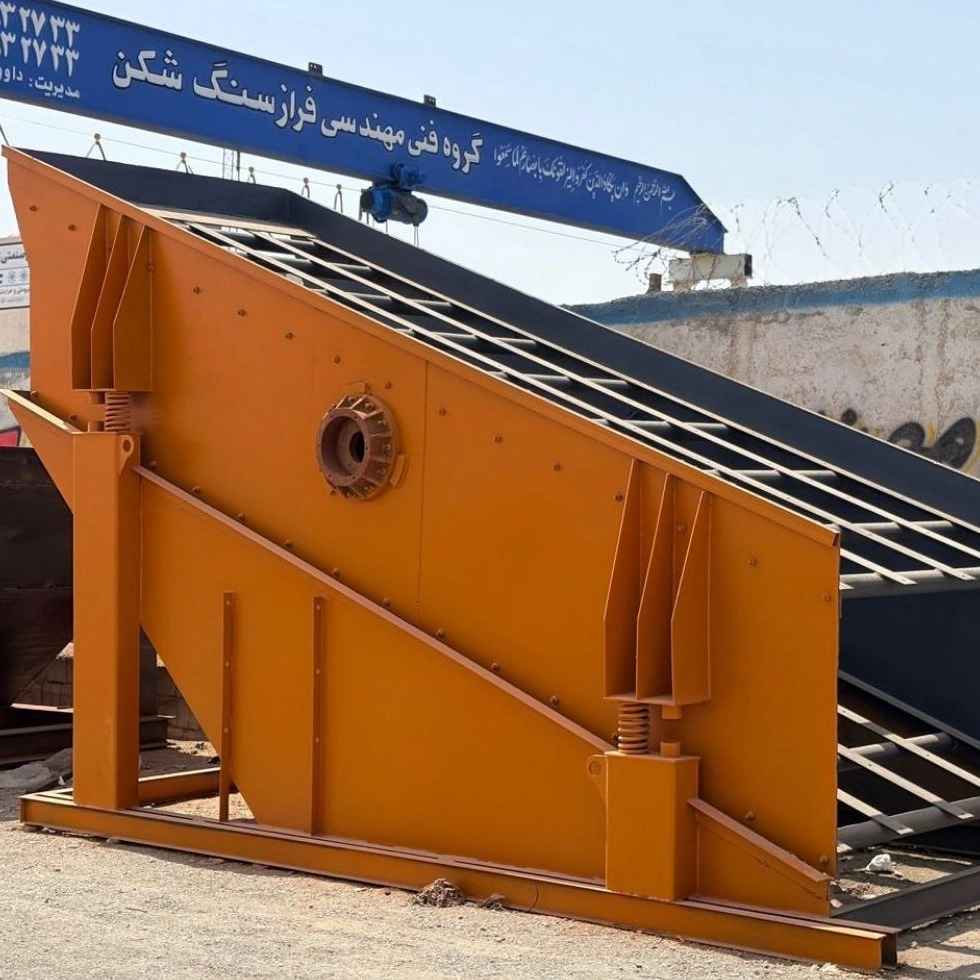
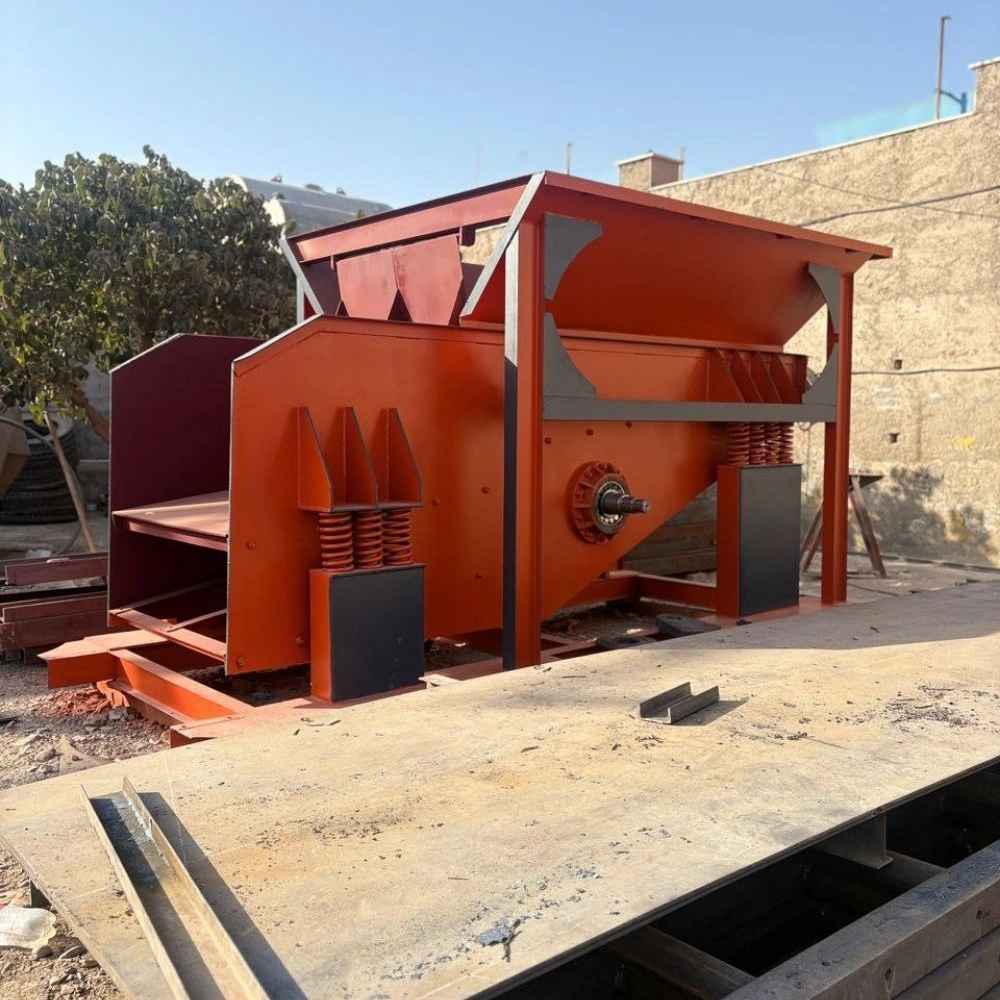
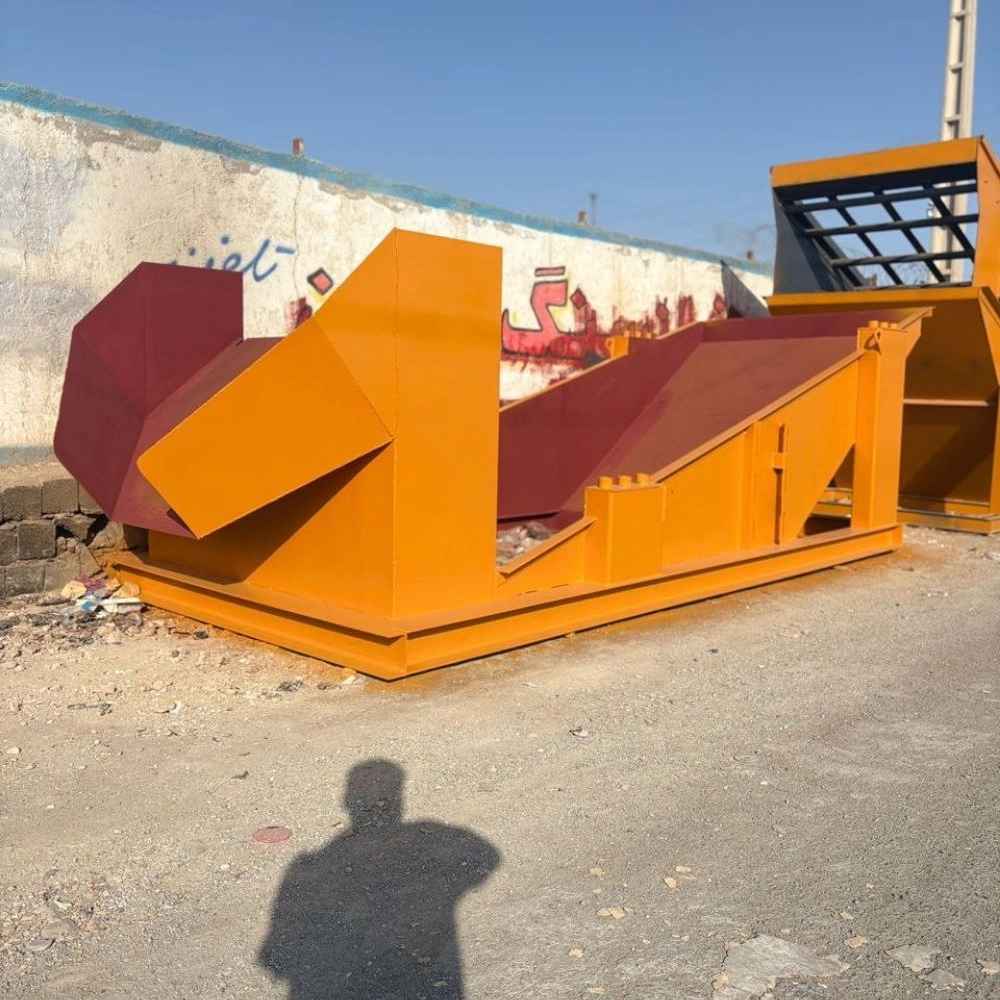
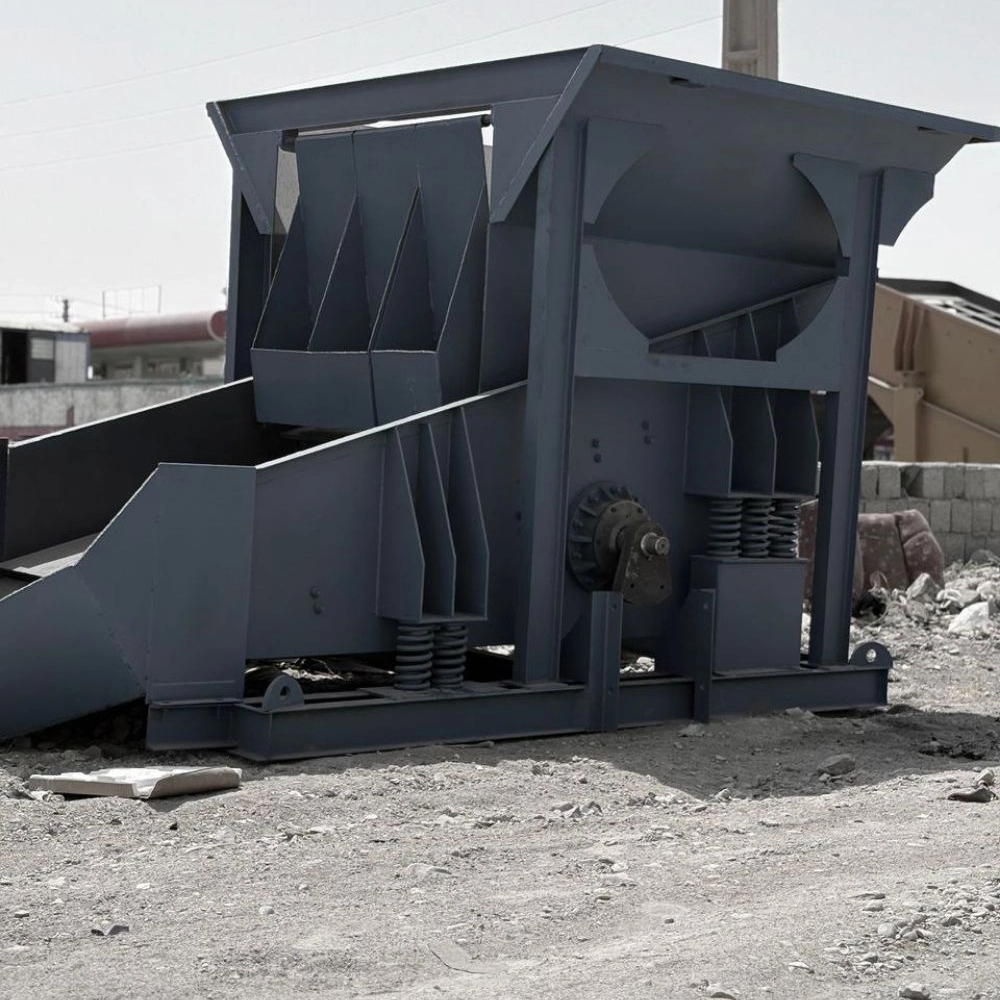
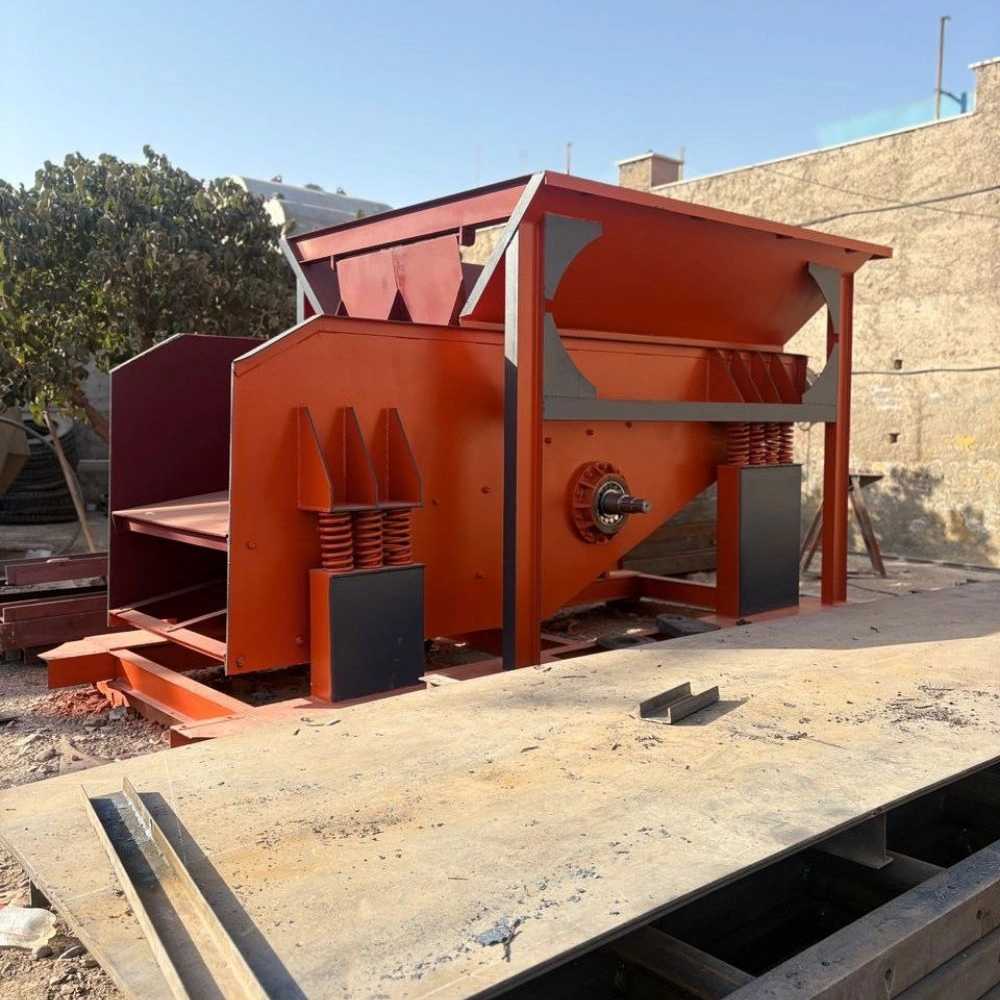
feeder: It directly directs the raw materials into the crusher.
jaws, hammers or rollers: The main part of the crushing material.
Motor: Providing a stimulus for device movement.
Belt and Monetary: Power transfer from motor to mechanical parts of the device.
Control System: Monitoring and Setting of device performance.
Benefits of Crusher Machines
Benefits:
Increase speed and efficiency in the crushing process
Reduce Mineral Transportation Costs
Ability to adjust the output product grain
Important points in selecting a crusher
1. Mineral Type:
Each crusher is designed for a specific type of material. For example, jaw crusher is suitable for hard materials and crusher for soft material.
2. Production Capacity:
must be selected a device that matches the required production.
3. Maintenance fee:
Simple design devices have less repair costs.
4. Quality and durability:
Selection of reputable brands and high quality devices increases the useful life of the device.
5. Energy Consumption:
energy consumption is one of the important factors in choosing the device. Low -consumable devices are more affordable.
Maintenance and repair of crusher machines
To extend the useful life of crusher machines, it is necessary to observe the following points:
Periodic Inspection: Parts such as jaws, hammers and impact pages must be periodically reviewed and replaced.
Cleaning: Preventing the accumulation of materials in different parts of the machine.
lubrication: Ensure the performance of moving parts.
Settings: Ensuring the proper operation of control and safety systems.
New developments in crusher technology